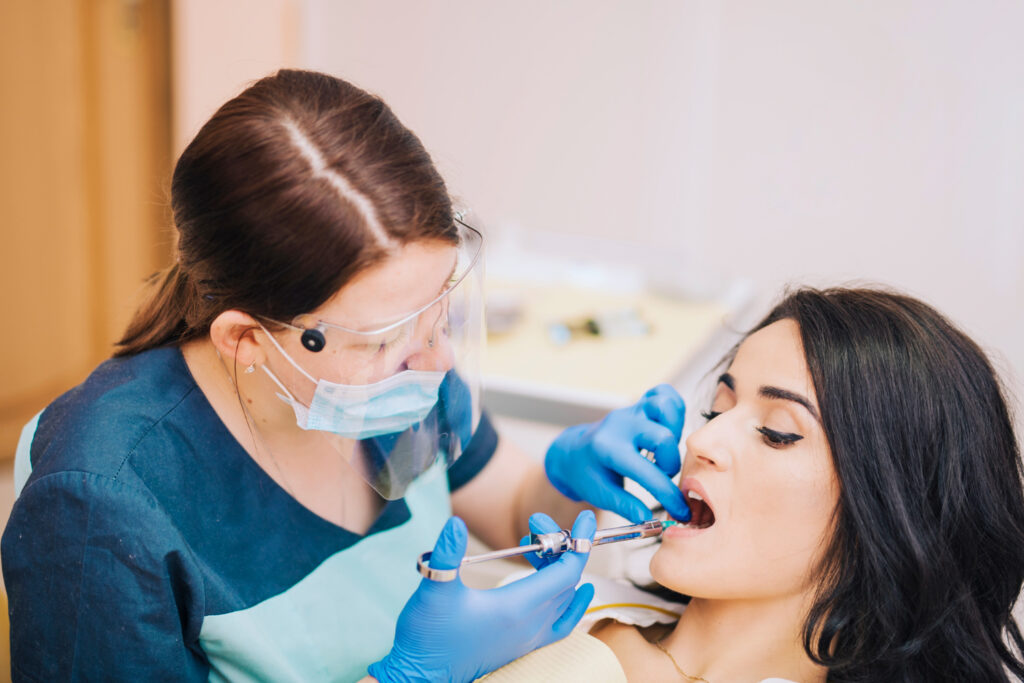
Uneven, chipped, or misshapen teeth can affect more than the appearance of your smile. They may make you feel self-conscious when speaking or laughing, change the way your teeth come together, or make certain teeth more difficult to maintain. Fortunately, modern cosmetic dentistry offers several ways to improve the shape, symmetry, and overall appearance of teeth.
A cosmetic dentist in North York can evaluate your teeth, identify the underlying concern, and recommend an appropriate treatment based on the condition of your enamel, the extent of damage, your bite, and your smile goals. Depending on your needs, options may include dental bonding, veneers, crowns, enamel reshaping, or a combination of treatments.
Quick Answer: How Can a Cosmetic Dentist Fix Uneven or Chipped Teeth?
A cosmetic dentist can improve uneven, chipped, or misshapen teeth using treatments such as composite dental bonding, porcelain veneers, enamel contouring, or dental crowns. Minor imperfections may often be corrected with conservative treatments, while severely damaged or structurally compromised teeth may require more extensive restoration.
The right option depends on factors such as the size of the chip, tooth strength, enamel condition, bite alignment, and your desired cosmetic result. A professional dental examination is important before deciding on treatment.
Key Takeaways
- Uneven, chipped, and misshapen teeth can often be improved with cosmetic dentistry.
- Dental bonding can address many minor chips and shape irregularities.
- Veneers may be suitable for more noticeable cosmetic imperfections.
- Dental crowns can restore teeth that have significant structural damage.
- Enamel contouring can make small differences in tooth shape less noticeable.
- Your bite, tooth health, enamel, and long-term goals influence treatment selection.
- A personalized consultation can help determine which cosmetic option is appropriate for your smile.
Why Do Teeth Become Uneven, Chipped, or Misshapen?
Teeth can develop differences in shape and appearance for many reasons. Some people naturally have teeth that are slightly different in size or proportion, while others develop changes because of injury, wear, decay, or certain habits.
Common causes include:
Natural Tooth Shape
Not every tooth develops with identical proportions. One tooth may appear shorter, narrower, or more rounded than another. Small differences can become particularly noticeable when they affect the front teeth.
Accidents and Dental Injuries
A fall, sports injury, or other accident can chip or fracture a tooth. Even a relatively small chip may be visible when you smile.
Teeth Grinding and Wear
Repeated grinding or clenching can gradually wear down tooth surfaces. Over time, teeth may appear shorter, flatter, or less symmetrical.
Dental Decay
Cavities can change the shape of a tooth and may leave damaged areas that affect its appearance. Treating the underlying dental problem should generally come before cosmetic improvement.
Habits That Put Stress on Teeth
Biting hard objects, chewing ice, or using teeth to open packaging can increase the risk of chips and fractures.
Previous Dental Work
Older fillings or restorations may become worn, discolored, or less harmonious with surrounding teeth. In some situations, replacing or updating the restoration can improve both appearance and function.
Understanding why a tooth looks uneven or damaged is important because cosmetic treatment should address more than the visible appearance.
How a Cosmetic Dentist in North York Evaluates Uneven Teeth
Before recommending a cosmetic procedure, your dentist will typically examine your teeth and gums and assess your bite. The goal is to determine whether the concern is primarily cosmetic or whether there is an underlying dental issue that needs attention.
Your dentist may consider:
- Tooth structure and enamel condition
- Size and location of the imperfection
- Existing fillings or restorations
- Signs of tooth wear or grinding
- Bite alignment
- Gum health
- Tooth colour and surrounding teeth
- Your desired smile appearance
This evaluation helps ensure that treatment is appropriate for the condition of the tooth.
For example, a small chip on an otherwise healthy front tooth may be treated differently from a tooth that has lost a significant amount of structure.
Dental Bonding for Chipped and Uneven Teeth
Dental bonding is one of the more conservative cosmetic treatments available for certain chips, gaps, and shape irregularities.
During bonding, a tooth-coloured composite material is applied to the tooth and shaped to improve its appearance. The material is then hardened and polished.
What Can Dental Bonding Correct?
Depending on the tooth and the extent of the issue, bonding may help improve:
- Small chips
- Slightly uneven tooth edges
- Minor gaps
- Small shape irregularities
- Certain discolouration concerns
- Teeth that appear slightly shorter than neighbouring teeth
One of the advantages of bonding is that it can often preserve more of the natural tooth structure than treatments that require greater alteration of the tooth.
However, bonding is not appropriate for every situation. The material can eventually wear or chip, particularly when exposed to excessive biting forces.
Can Veneers Fix Misshapen Teeth?
For patients with more noticeable cosmetic concerns, dental veneers may be an option.
Veneers are thin coverings designed to improve the visible surface of teeth. Depending on the type of veneer and treatment plan, they can help address concerns involving tooth shape, size, colour, and symmetry.
Veneers may be considered when a patient wants to improve several visible characteristics at the same time.
Veneers May Help With:
- Misshapen front teeth
- Uneven tooth proportions
- Certain chips
- Worn-looking teeth
- Visible gaps
- Persistent cosmetic discolouration
- Smile symmetry
The suitability of veneers depends on the health and structure of the teeth. A dentist should evaluate whether the teeth and surrounding tissues are suitable before treatment.
Enamel Contouring for Minor Shape Differences
Sometimes a tooth does not need additional material to improve its appearance. A dentist may instead be able to make a very small adjustment to the enamel.
Enamel contouring, sometimes called tooth reshaping, involves carefully removing a minimal amount of enamel to alter the shape or edge of a tooth.
It may be useful for minor irregularities, such as:
- Slightly uneven edges
- Small points or bumps
- Minor differences in tooth length
- Small shape inconsistencies
Because enamel removal is irreversible, this treatment should only be performed when clinically appropriate.
When Might a Dental Crown Be Necessary?
Cosmetic dentistry is not always limited to purely aesthetic procedures. If a tooth is significantly damaged, weakened, cracked, or structurally compromised, a dental crown may be considered.
A crown covers and protects the remaining tooth structure while restoring its shape and appearance.
A crown may be more appropriate than bonding or a veneer when the tooth requires substantial structural support. The dentist will assess the amount of healthy tooth structure remaining and determine which restoration offers the appropriate balance of protection, function, and appearance.
Can Cosmetic Dentistry Make Teeth Look More Symmetrical?
Yes, cosmetic dentistry can often improve the visual balance between teeth.
A smile does not necessarily need perfectly identical teeth to look attractive. Instead, dentists may consider factors such as tooth proportion, alignment, colour, spacing, gum display, and how the teeth relate to one another.
For example, if one front tooth appears noticeably shorter because of a small chip, adding tooth-coloured bonding material may help create a more balanced appearance.
Similarly, carefully planned veneers may alter the apparent shape and proportions of multiple front teeth.
The objective is generally to create a result that complements your natural facial features rather than making every tooth look exactly the same.
What Happens During a Cosmetic Dental Consultation?
Your first consultation is an opportunity to discuss what you would like to change and learn which treatments may be suitable.
Your dentist may:
- Listen to your concerns and smile goals.
- Examine your teeth and gums.
- Evaluate your bite.
- Check for decay, cracks, or other dental problems.
- Assess existing restorations.
- Discuss possible treatment options.
- Explain the expected results and maintenance requirements.
- Develop a personalized treatment plan if appropriate.
This process can help you make an informed decision instead of selecting a treatment based solely on photographs or general information online.
How to Maintain Your Results After Cosmetic Dental Treatment
Taking care of your teeth after cosmetic treatment can help preserve your results.
Maintain Good Oral Hygiene
Brush twice daily with a fluoride toothpaste and clean between your teeth regularly. Good oral hygiene helps protect both your natural teeth and dental restorations.
Avoid Using Teeth as Tools
Do not use your teeth to open packages, cut objects, or perform tasks that could cause unnecessary stress.
Be Careful With Hard Foods
If you have bonding or another cosmetic restoration, excessive biting pressure can contribute to damage.
Attend Regular Dental Appointments
Routine dental examinations allow your dentist to monitor your teeth, gums, bite, and existing restorations.
Address Teeth Grinding
If you grind or clench your teeth, talk with your dentist. Excessive forces can affect both natural teeth and cosmetic restorations.
Is Cosmetic Dentistry Only About Appearance?
Although cosmetic dentistry focuses heavily on appearance, improving the appearance of a damaged or irregular tooth can sometimes complement restorative dental care.
For example, a severely damaged tooth may require a restoration to regain strength and function while also improving its visible appearance.
The distinction between cosmetic and restorative dentistry is not always completely separate. Your treatment plan should consider your overall oral health, not simply how your teeth look.
When Should You See a Dentist About a Chipped Tooth?
A small chip may not always require emergency treatment, but it is still worth having the tooth assessed, particularly if the damage occurred suddenly.
Contact a dentist if you experience:
- Significant tooth pain
- Sensitivity after a chip or fracture
- Bleeding or swelling
- A large piece of tooth breaking off
- A sharp edge that repeatedly irritates your tongue or cheek
- A tooth that feels loose
- A visible crack extending through the tooth
Prompt evaluation can help determine whether the tooth needs cosmetic treatment, restorative care, or both.
FAQs About Cosmetic Dentistry for Uneven and Chipped Teeth
Can a cosmetic dentist fix a chipped front tooth?
Yes, depending on the size and location of the chip. Dental bonding is often considered for minor chips, while larger or structurally compromised teeth may require another type of restoration.
What is the best treatment for uneven front teeth?
There is no universal best treatment. Bonding, enamel contouring, veneers, or other restorative options may be appropriate depending on the cause and severity of the unevenness.
Can dental bonding change the shape of a tooth?
Yes. Tooth-coloured composite material can be shaped to improve certain minor irregularities, including small chips and differences in tooth length or contour.
Are veneers suitable for misshapen teeth?
Veneers can be an option for certain misshapen teeth, particularly when the concern involves the visible front surface. Your dentist must first determine whether your teeth are healthy and suitable for veneers.
How long does cosmetic dental treatment take?
Treatment time varies considerably. Some minor cosmetic procedures may be completed relatively quickly, while more extensive treatment involving multiple teeth can require several appointments.
Can cosmetic dentistry fix worn-down teeth?
It may be possible, but the underlying reason for the wear should first be evaluated. Grinding, clenching, bite problems, or other factors may need to be addressed as part of the overall treatment plan.
Is cosmetic dentistry painful?
The level of discomfort depends on the procedure and individual circumstances. Your dentist can explain what to expect before treatment and discuss appropriate measures to keep you comfortable.
How do I choose a cosmetic dentist in North York?
Look for a dentist who evaluates your overall oral health, explains treatment alternatives, discusses realistic expectations, and develops a plan based on your individual needs rather than recommending the same treatment for everyone.
Final Thoughts
Uneven, chipped, or misshapen teeth do not necessarily have to remain a permanent part of your smile. From conservative options such as dental bonding and enamel contouring to veneers and crowns for more significant concerns, modern dentistry provides several ways to improve tooth shape and create a more balanced appearance.
The most appropriate treatment depends on the condition of your teeth, your bite, the extent of the imperfection, and your personal goals. Rather than choosing a cosmetic procedure based solely on price or photographs, a professional evaluation can help you understand your options and make a confident decision.
If you are considering improving chipped, uneven, or misshapen teeth, Dandon Dental can help you explore personalized cosmetic dentistry options with a focus on a healthy, natural-looking smile.