If your dentist just mentioned you might need root canal therapy, you probably have questions, and maybe a little anxiety. It’s one of the most misunderstood procedures in dentistry, often surrounded by myths that make it sound far worse than it actually is.
This complete guide breaks down everything you need to know about root canal therapy in North York: what it is, why it’s needed, what to expect, and how to recover comfortably.
What Is Root Canal Therapy?
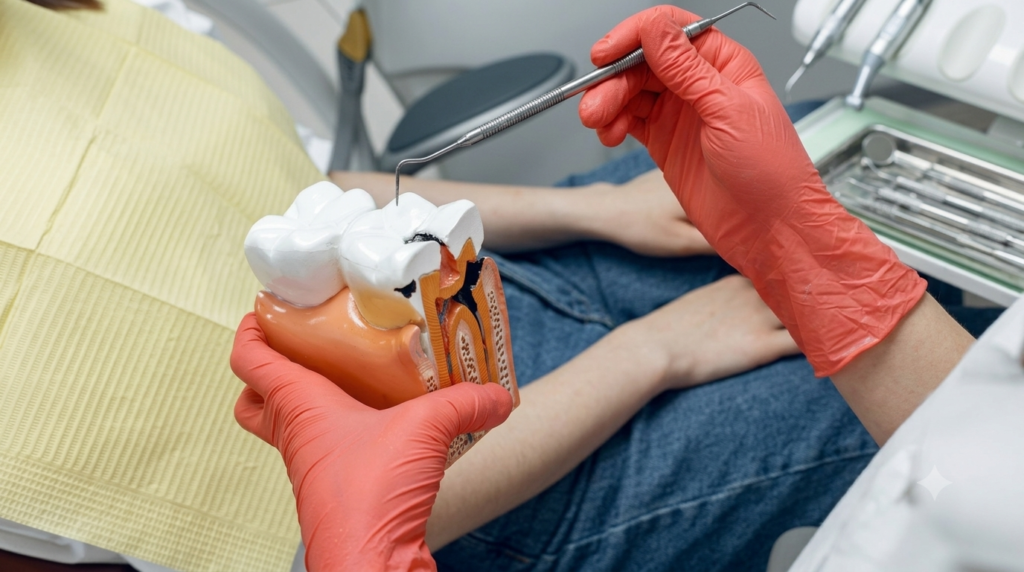
Root canal therapy is a dental procedure that removes infected or damaged tissue from inside a tooth, then cleans, disinfects, and seals it to prevent further infection.
Inside every tooth is a soft tissue called pulp, which contains nerves and blood vessels. When this pulp becomes infected or inflamed, usually due to deep decay, cracks, or trauma, root canal therapy is often the only way to save the tooth.
Without treatment, the infection can spread, leading to severe pain, abscess formation, and eventually tooth loss.
Signs You Might Need Root Canal Therapy
Not everyone experiences obvious symptoms, but common warning signs include:
- Persistent or throbbing tooth pain
- Sensitivity to hot or cold that lingers
- Pain when chewing or applying pressure
- Swelling or tenderness in the gums
- A small bump on the gum near the affected tooth
- Darkening or discoloration of the tooth
- Sometimes, no symptoms at all (discovered during routine X-rays)
If you’re experiencing any of these symptoms, it’s important to see a dentist promptly. Waiting often makes treatment more complex and costly.
What Causes the Need for Root Canal Therapy?
Several factors can lead to pulp damage or infection, including:
- Deep cavities left untreated
- Cracked or fractured teeth that expose the pulp
- Repeated dental procedures on the same tooth
- Trauma or injury, even if it happened years ago
- Advanced gum disease affecting the tooth’s root
The Root Canal Therapy Process, Step by Step
Understanding what happens during treatment can ease a lot of anxiety. Here’s what patients at our North York clinic can expect:
1. Diagnosis and X-ray
Your dentist will take an X-ray to assess the extent of infection and confirm root canal therapy is necessary.
2. Local Anesthesia
The area is fully numbed. Most patients feel no pain during the procedure itself, only pressure.
3. Accessing the Tooth
A small opening is made in the top of the tooth to reach the infected pulp.
4. Removing Infected Pulp
The infected or damaged tissue is carefully removed using specialized instruments.
5. Cleaning and Disinfecting
The empty root canal is thoroughly cleaned and disinfected to eliminate bacteria.
6. Filling and Sealing
The canal is filled with a biocompatible material and sealed to prevent future infection.
7. Restoration
In most cases, a crown is placed afterward to restore strength and protect the tooth long-term.
Most root canal treatments take one to two appointments, depending on the complexity of the case.
Is Root Canal Therapy Painful?
This is the question we hear most, and the honest answer is no, not during the procedure. Modern anesthesia and techniques make root canal therapy about as comfortable as getting a filling.
In fact, the pain patients experience beforehand, from the infection itself, is what root canal therapy actually relieves.
Some mild soreness or sensitivity is normal for a few days afterward, but this is easily managed with over-the-counter pain relievers.
Root Canal Therapy Recovery: What to Expect
Recovery is typically quick and straightforward:
- First 24 to 48 hours: Mild soreness or tenderness is common
- Eating: Stick to soft foods and avoid chewing on the treated side until fully healed
- Pain management: Ibuprofen or acetaminophen usually manages any discomfort
- Follow-up: A crown or permanent restoration is often placed within a few weeks
Most patients return to normal activities the same day or the day after treatment.
Root Canal Therapy vs. Tooth Extraction
Many patients wonder if it’s simpler to just extract the tooth instead. While extraction is sometimes necessary, saving your natural tooth is almost always the better long-term option because it:
- Maintains your natural bite and jaw alignment
- Prevents surrounding teeth from shifting
- Avoids the additional cost and time of an implant or bridge
- Preserves your natural smile
Root canal therapy has a success rate of over 95%, making it a highly reliable option for saving damaged teeth.
How Much Does Root Canal Therapy Cost in North York?
Costs vary depending on which tooth is affected (front teeth are typically less complex than molars) and whether a crown is needed afterward. Many dental insurance plans cover a significant portion of root canal therapy in North York.
We recommend scheduling a consultation for an accurate, personalized estimate based on your specific case and insurance coverage.
Finding the Right Provider for Root Canal Therapy in North York
Not all root canal treatments are the same. Look for a dental team with experience in endodontic procedures, modern technology (like digital X-rays), and a track record of comfortable, successful outcomes. A skilled provider can make the difference between a smooth recovery and unnecessary complications.
Frequently Asked Questions
How long does root canal therapy take?
Most procedures take 60 to 90 minutes per appointment. Depending on the tooth and complexity, treatment may require one or two visits.
Will I need a crown after root canal therapy?
In most cases, yes, especially for molars. A crown protects the treated tooth and restores its full chewing function.
Can a tooth need root canal therapy more than once?
While uncommon, it’s possible for a treated tooth to become reinfected. If this happens, root canal retreatment can often save the tooth again.
Is root canal therapy safe?
Yes. Root canal therapy is a safe, well-established procedure performed millions of times each year. It eliminates infection and helps prevent it from spreading further.
How do I know if I need root canal therapy or just a filling?
Only a dentist can determine this through examination and X-rays. Generally, if the infection has reached the inner pulp, a filling alone won’t resolve it.
What happens if I don’t get treatment when I need it?
Delaying treatment can allow the infection to spread, potentially leading to a painful abscess, bone loss, or the eventual loss of the tooth entirely.
Can I drive myself home after the procedure?
Yes, in most cases. Since only local anesthesia is used, you should be able to drive yourself home unless sedation was also used.
Trust Your Smile to Experienced Hands
Root canal therapy has come a long way, and modern techniques mean most patients are surprised by how smooth and manageable the process really is. If you’re experiencing tooth pain or have been told you need treatment, don’t wait for it to get worse.
Our team specializing in root canal therapy in North York is here to make the process as comfortable and stress-free as possible.